
Guide · Professional Athletes
Endorsements,
Equity, And What Lasts.
How professional athlete deals are structured, priced, and negotiated — and how the peak-earning years get converted into owned audience, ownership, and income that outlives the career.
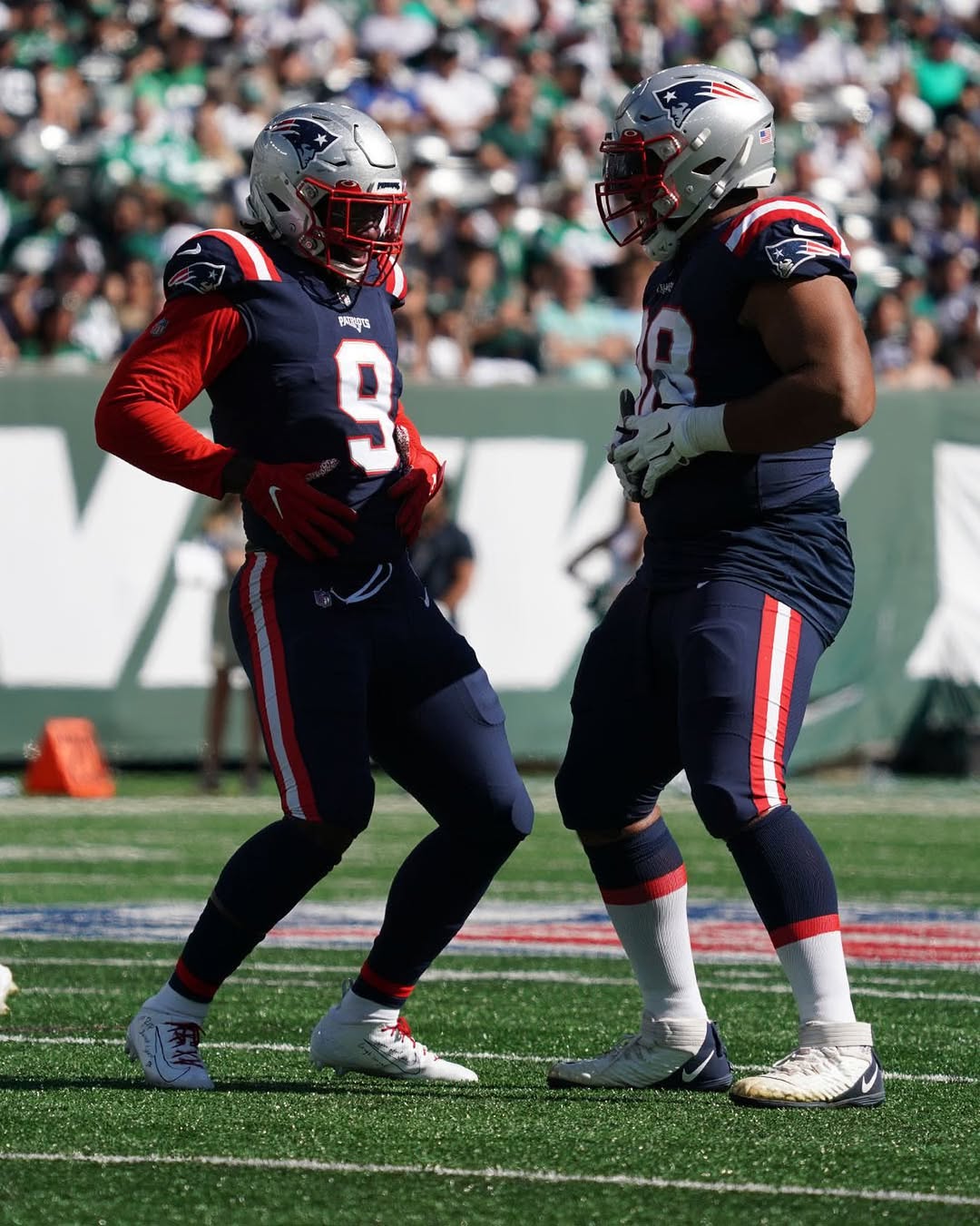
The Premise
The Career Ends.
The Business Should Not.
Professional athletes are handed the two things every company spends years buying: attention and trust. Both are at their cheapest to convert during the career, and both decay quickly after it. Most endorsement portfolios are built to monetize that window and nothing beyond it.
A logo deal pays once. A well-negotiated deal pays for time, rights, and exclusivity separately. A well-built business pays after you stop signing anything at all. The gap between those three outcomes is structure, not fame.
This is the professional counterpart to our college NIL guide: same underlying asset, different leverage, much shorter runway.
The Landscape
Six Ways Pros
Get Paid.
01
Ambassador Contracts
Multi-year brand ambassadorship with annual deliverables, appearance minimums, and category exclusivity.
The Reality
The most valuable term is rarely the fee — it is the exclusivity radius and how long the brand can run your creative.
02
Campaign Deals
A defined campaign: a shoot, a flight of ads, a launch window, with usage rights for a stated term and territory.
The Reality
Price usage separately from the shoot. Paid media rights are the line item most athletes give away for free.
03
Licensing And Signature Product
Your name or likeness on a product line, trading cards, or memorabilia, paid as a royalty against minimums.
The Reality
Insist on minimum guarantees and a term. Otherwise your name sits on a shelf nobody is pushing.
04
Equity Partnership
Vesting equity or profit interest in a brand you help build, usually with a reduced or waived cash fee.
The Reality
Only worth it when you are operating. Define the work, vest over time, and get real information rights.
05
Owned Ventures
You are the operator: a product, a service business, a studio, a gym, a media property under your own name.
The Reality
Hardest and highest ceiling. This is the only category where the audience you built converts into an asset you own.
06
Media And Content
A show, podcast, newsletter, or channel with sponsorship, subscription, or commerce attached.
The Reality
Media is not the business — it is the distribution. Attach an offer to it or it stays a hobby with sponsors.
What To Negotiate
The Fee Is
Rarely The Point.
Six terms decide whether a deal is good. Five of them sit below the number everyone argues about.
- 01Term And TerritoryHow long, and where. Broad territory and long terms are worth multiples of what most first offers price them at.
- 02Category ExclusivityEvery category you lock up is revenue you cannot earn elsewhere. Narrow the definition and price it separately.
- 03Usage And WhitelistingRunning your face as paid media is the highest-return item on the brand's side. It is a line item, not a courtesy.
- 04Deliverables And ApprovalsCount the actual hours: shoots, travel, approvals, reshoots. Cap revisions and set approval windows in writing.
- 05Performance UpsideAttribution has improved enough that upside is negotiable. Unique codes, landing pages, and bonuses tied to real revenue.
- 06Exit And MoralsTermination triggers should be mutual and specific. Understand what ends the deal and what happens to the content when it does.
The Checklist
What To Own
Before It Ends.
Six assets. None of them require a new contract, and all of them keep working when the schedule stops.
- Audience: an email and text list you control, not a follower count a platform rents you
- Offer: one product or service your audience can buy directly, at a margin you set
- Attribution: unique links and codes on every partnership so results are provable
- Equity: a stake in at least one business where your involvement changes the outcome
- Operators: a team that runs the business on days the schedule does not allow it
- Timeline: build it while attention is at its peak, not the year after it drops
Where Value Leaks
Six Mistakes
That Cost Millions.
Taking the fee, giving the rights
Perpetual, worldwide usage attached to a one-campaign fee is the single most common value leak in athlete contracts.
Broad exclusivity, narrow pay
Locking an entire category for a year should cost far more than the deliverables inside it. Most first drafts do not reflect that.
Logo deals with no offer
Being the face of something with nothing to buy produces impressions. Attach a product, a code, and a destination.
No owned audience
If every connection to your audience runs through a platform or a team, retirement resets your reach to zero.
Equity without information
A stake with no reporting, no board access, and no defined role is a lottery ticket, not a partnership.
Starting after the career
The cheapest customer acquisition of your life is happening right now. Waiting until it ends is the most expensive choice available.
Common Questions
Frequently Asked.
- How do professional athlete endorsement deals work?
- A brand pays an athlete for defined marketing rights: content, appearances, likeness usage in campaigns, licensing, or ambassador status over a term. Contracts specify deliverables, territory, category exclusivity, usage and term of rights, approvals, morals clauses, and renewal terms. Payment is typically a guaranteed fee, often with performance bonuses, royalties, or equity layered on top.
- What is the difference between NIL deals and pro endorsement deals?
- The mechanics are the same — a brand pays for name, image, and likeness. The context is not. College NIL runs through school and conference compliance, tends to be short-term and local, and is capped by eligibility. Pro deals are longer, carry league and team sponsorship conflicts instead of school rules, involve larger territories and category exclusivity, and are usually negotiated alongside an agent and a marketing representative.
- How much do athlete endorsement deals pay?
- Pricing is driven by guaranteed audience, category fit, exclusivity, term length, and usage rights — not by contract value in the sport. A role player with a dense, engaged niche audience often outperforms a bigger name whose following is broad and passive. The rule that holds at every level: brands pay for what the same qualified reach and creative would cost through paid media, plus a premium for credibility and exclusivity.
- Should an athlete take equity instead of cash?
- Sometimes — but only when the athlete is genuinely operating, the work is defined, and the vesting is tied to real time and deliverables. Equity without obligations makes you a passive shareholder in someone else's risk. The strongest structures pair a cash fee that covers your time and rights with equity or profit interest that rewards the growth you actually drive.
- What should a pro athlete own beyond endorsements?
- An email and text list, a direct product or service, and equity in at least one business where you influence the outcome. Endorsement income ends with relevance. An owned audience, a customer base, and a stake in an operating company keep producing after the last contract year.
- When should an athlete start building a business?
- In-career, while attention is free and cheap to convert. The worst time to start is the year after retirement, when reach falls, calls slow down, and the runway is shortest. Build the audience and the offer while the platform is at its peak, even if it is small at first.
Build The Business
Peak Attention
Is A Deadline.
We build the business behind the athlete — offers, funnels, attribution, and ownership — so the platform you have now becomes something you keep.